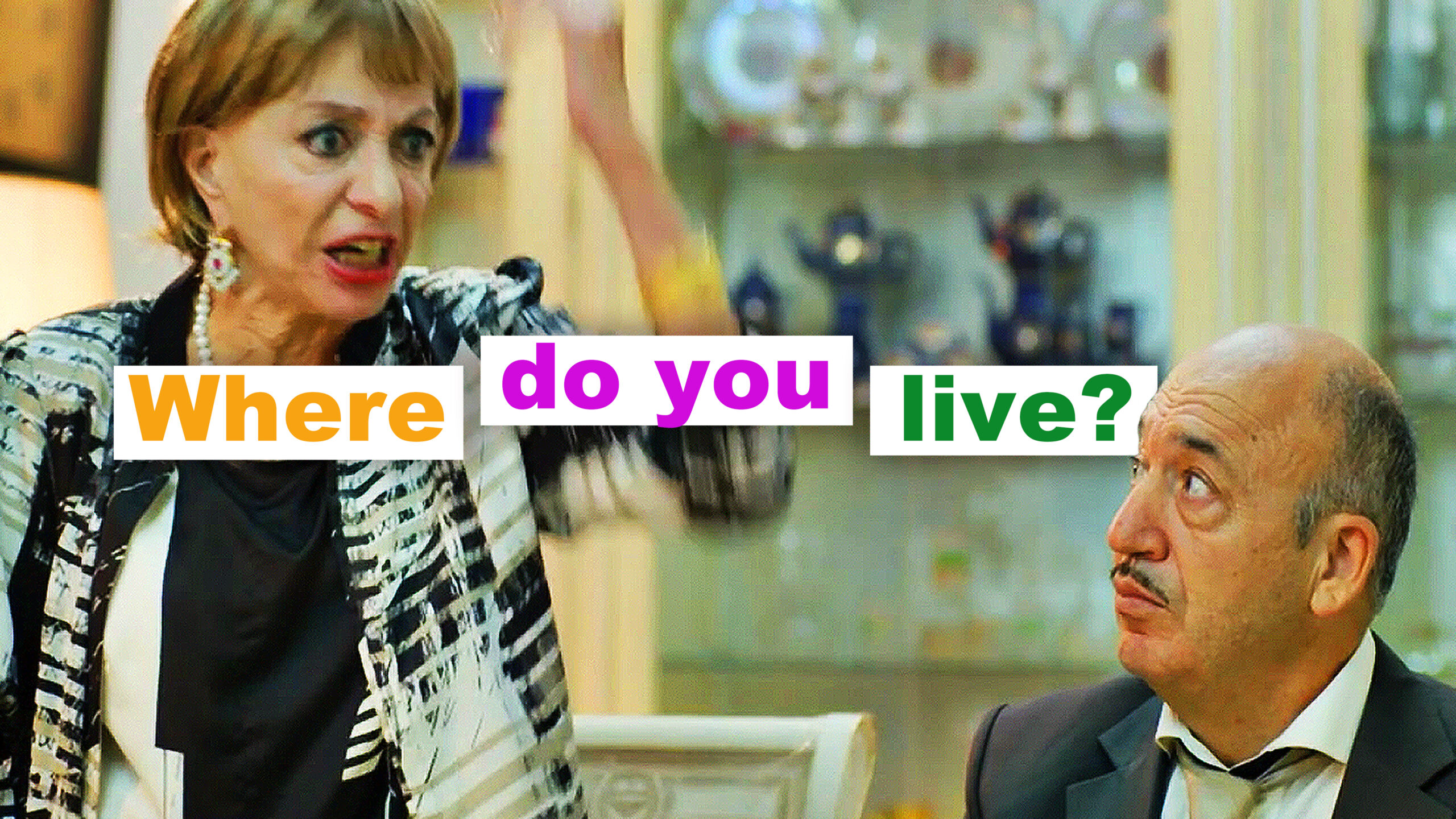
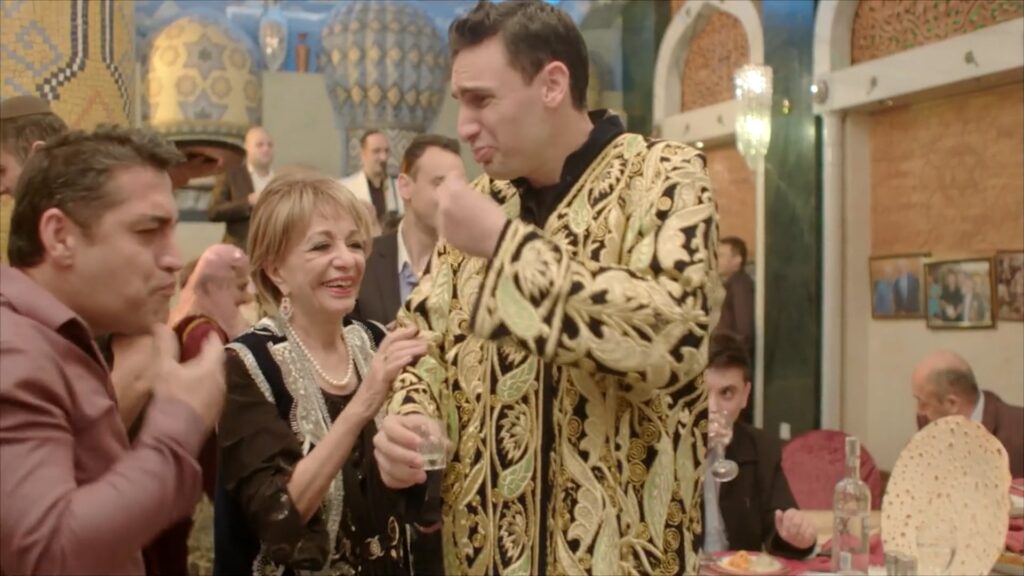
The hysterical hit comedy series Where do you live? on IZZY is about the Bukharan community in Israel, and their struggles balancing between the older generation that wants a traditional life, and the younger generation that wants to build a new life.
The series had us wondering about the the real Bukharan communities that exist in Israel and around the world — so we did some investigation. Here are some interesting facts we found!
Who are the Bukharan Jews?
The Bukharan Jews came from Central Asia. They were originally based in Bukhara (present-day Uzbekistan) and were associated with the city when it was capital of the powerful Bukhara Khanate.
Where are they now?
Most now live in Israel, where there are around 100,000 Bukharan Jews. There are others in America, Canada, Australia and Europe. There’s a vast community of nearly 50,000 Bukharan residing living in Queens, New York.
Why did the Bukharan Jews leave their home of Bukhara?
They were heavily discriminated against throughout history. At one point, they even had to bear a special tax, and were slapped in the face every time they paid it to humiliate them; their shops were required to be a step lower than Muslims’ shops. Once the Soviet Union reigned, the antisemitism became unbearable and most of them fled.
What is in present-day Bukhara?
Although once home to one of the world’s oldest and largest Jewish communities, it has an estimated 100 to 150 Jews left. Comparatively, the Muslim population is more than 270,000. Only two synagogues remain, but a Jewish cemetery still stands with 10,000-plus graves.
What are the Bukharan communities like today?
They are very tight-knit, cohesive communities who live with old traditions and values. For example, the Bukharan communities in Queens — commonly referred to as Queensistan — primarily speak Russian and Bukharian. Culturally they are most similar to Jews of Iran and Afghanistan. The Bukharian language is based on Persian.
How have they maintained their heritage?
Wealthy Bukharan Jews, such as businessman Lev Leviev, have spent millions of dollars in donations to institutions that work to preserve important aspects of the culture. There are countless schools, synagogues, museums and individuals across the world dedicated to maintaining Buhkaran culture.